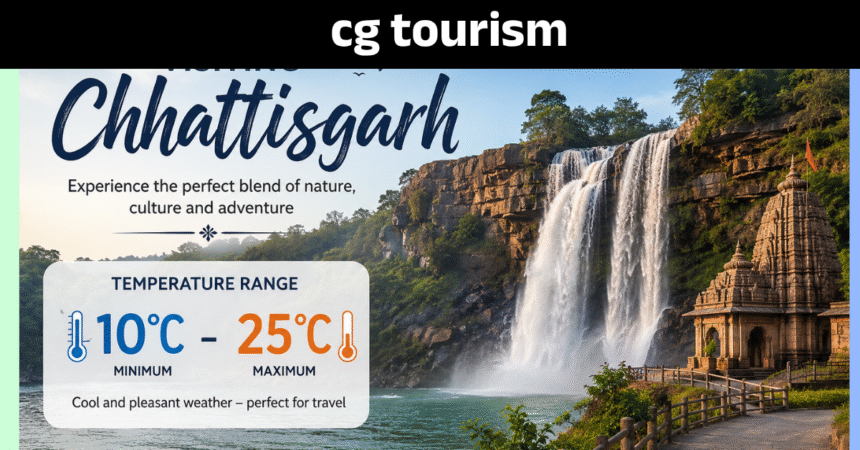
Chhattisgarh is a state located in the central region of India, recognized for its rich cultural heritage, diverse demographics, and significant geographical attributes. Formed on November 1, 2000, when the region was carved out from Madhya Pradesh, it has become an important area in its own right. The state is bordered by Maharashtra to the west, Madhya Pradesh to the northwest, Uttar Pradesh to the north, and Odisha to the east, making it strategically significant.
Chhattisgarh’s landscape is characterized by dense forests, rolling hills, and fertile plains, contributing to its wealth of natural resources. The state is known for its abundance of mineral resources such as coal, iron ore, and bauxite, which play a crucial role in its economic development. Agriculture also forms the backbone of the state’s economy, with rice being the principal crop, showcasing the agrarian culture that is predominant in this region.
Historically, Chhattisgarh has been home to various indigenous tribes and communities, leading to a rich tapestry of traditions and practices. The state’s cultural essence is reflected in its festivals, art forms, and culinary specialties that resonate with the lifestyles of its inhabitants. Moreover, the demographic diversity is noteworthy, with a significant population of Scheduled Tribes and Scheduled Castes who contribute to the unique cultural heritage of the state. In recent decades, Chhattisgarh has increasingly focused on tourism and infrastructure development, marking its evolution from a primarily rural economy to a more commercial and service-oriented one.
Understanding Chhattisgarh’s geographical significance, historical context, and economic framework provides an essential backdrop for exploring its climatic conditions and the various attractions that contribute to its identity as a unique Indian state.
Geography and Climate of Chhattisgarh
Chhattisgarh, located in central India, boasts a diverse geographical landscape characterized by hills, forests, and plateaus. The state is predominantly situated in the eastern part of the Deccan Plateau, which significantly influences its climate and weather patterns. The terrain is interspersed with rivers, notably the Mahanadi River, which not only contributes to the rich biodiversity but also supports agriculture in the region. The topography ranges from the gently rolling plains of the south to the rugged hills in the north and northeast, effectively shaping the local microclimates.
The climate in Chhattisgarh can be classified into three primary seasons: summer, monsoon, and winter, each with distinct weather characteristics. The summer months, stretching from March to June, witness a marked increase in temperatures, often peaking above 40°C (104°F). This period is characterized by dry, hot winds and minimal rainfall, making conditions challenging for outdoor activities.
The monsoon season, which occurs from June to September, brings respite from the sweltering summer heat. The southwest monsoon showers generously influence the state, resulting in an average annual rainfall of around 1,200 to 1,500 mm. This increase in precipitation revitalizes the lush greenery and transforms the landscape into a vibrant tableau of flora. However, heavy rainfall can also cause disruptions, necessitating careful planning for travelers during this time.
Winter, spanning from October to February, offers a much cooler climate with temperatures ranging between 10 to 25°C (50 to 77°F). This season is ideal for various outdoor activities and exploration of Chhattisgarh’s diverse attractions, making it a popular time for tourists. Understanding the relationship between the geography and climate of Chhattisgarh is crucial for optimal travel planning, helping visitors make informed decisions about the best times to explore this intriguing state.
Summer Weather in Chhattisgarh
The summer months in Chhattisgarh, spanning from March to June, bring about a distinct climate characterized by rising temperatures and humidity levels. During this period, average daily temperatures range between 30°C to 45°C (86°F to 113°F), with the highest temperatures often recorded in May. The increase in warmth can lead to significant discomfort, particularly for those unaccustomed to tropical climates.
As the intensity of the sun escalates, humidity also plays a crucial role in the overall weather experience. Chhattisgarh experiences moderate to high levels of humidity during summer, which can amplify the feelings of heat. Travelers should be prepared for these conditions and take suitable precautions to ensure their comfort and well-being.
For those planning to visit Chhattisgarh during the summer months, it is advisable to adopt several best practices. First and foremost, hydration is essential. Drinking sufficient amounts of water can help combat the effects of heat and maintain a balanced body temperature. It is recommended to carry a water bottle and consume fluids regularly throughout the day.
In addition to staying hydrated, travelers should consider the timing of their outdoor activities. The sun is at its peak intensity typically between noon and 4 PM, making early mornings or late afternoons the ideal time for exploration. Engaging in sightseeing or outdoor adventures during these cooler hours can make a significant difference in overall comfort.
Wearing lightweight, breathable clothing can also enhance comfort during the summer months in Chhattisgarh. Protective clothing, such as wide-brimmed hats and sunglasses, can shield individuals from the sun’s harsh rays. With appropriate planning and precautions, visitors can enjoy the myriad attractions that Chhattisgarh has to offer, even amid the summer heat.
Monsoon Season in Chhattisgarh
The monsoon season in Chhattisgarh, spanning from July to September, transforms the state into a lush, vibrant landscape, making it one of the most picturesque times of the year. During this period, the region experiences significant rainfall, which rejuvenates the vegetation and enhances the natural beauty of its many forests and hills. The continuous rains create an idyllic atmosphere, with rivers and waterfalls swelling, providing a perfect backdrop for nature enthusiasts and photographers.
One of the most profound impacts of the monsoon is on the state’s agricultural landscape. Chhattisgarh is known as the “rice bowl” of India, and the monsoon rains are crucial for paddy cultivation. The rain-fed irrigation system sustains various crops, allowing for a bountiful harvest. This season not only improves the yield but also encourages a diversity of crops, including pulses and oilseeds, thus maintaining the ecological balance in the region.
Despite the heavy downpours, the monsoon season in Chhattisgarh offers numerous opportunities for exploration and adventure. The scenic beauty of places like Chitrakote Falls, which become a roaring cascade during this season, is a sight to behold. Visitors can also enjoy trekking in the lush green forests of Bastar, where the flora and fauna thrive amidst the rains. Additionally, cultural festivals during the monsoon celebrate the agrarian lifestyle, allowing tourists to engage with local traditions.
In closing, while the rains may bring challenges, they also bestow Chhattisgarh with an unparalleled beauty and vitality. This season invites travelers to savor the refreshing changes in the landscape, experience the rich agricultural practices, and immerse themselves in the regional culture, making it a unique time to discover Chhattisgarh’s multifaceted charm.
Winter Weather in Chhattisgarh
Winter in Chhattisgarh spans the months of October to February, marking a delightful transition from the hot and humid climate characteristic of the region during summer. During this period, temperatures witness a significant drop, typically ranging from 10°C to 30°C. This seasonal change creates a pleasant and inviting atmosphere, making it an optimal time for tourism in Chhattisgarh. The crisp mornings and cooler evenings enhance the overall experience, encouraging both locals and tourists to explore the various attractions the state has to offer.
The winter months are particularly vibrant in Chhattisgarh, as numerous festivals take place during this time. Notably, the Bastar Dussehra, held in the tribal heartland of Bastar, showcases rich cultural traditions through elaborate rituals, traditional dances, and music. Additionally, the Festival of Lights, Diwali, draws crowds as locals illuminate their homes and participate in vibrant celebrations. Such events not only draw residents together but also attract tourists eager to witness the cultural fabric of Chhattisgarh.
For tourists looking for popular winter destinations in Chhattisgarh, the region offers a plethora of options. The scenic beauty of Kanger Valley National Park, with its diverse flora and fauna, is a haven for nature enthusiasts. Furthermore, the historical sites, such as the ancient temples in Raipur and the stunning waterfalls at Chitrakote, are striking during this cooler weather. Travelers often find themselves enchanted by the natural landscapes, cultural richness, and a sense of tranquility that winter in Chhattisgarh provides, solidifying its status as a favored time for visitors to explore the state.
Popular Cities and Weather Patterns
Chhattisgarh, known for its diverse culture and rich natural resources, features several major cities, notably Raipur, Bilaspur, and Durg. Each of these cities possesses unique climatic conditions that significantly influence local life and tourism.
Raipur, the capital city, experiences a tropical wet and dry climate, characterized by hot summers and mild winters. Temperatures in Raipur can peak during the summer months, often exceeding 40°C (104°F), while the winter months witness relatively cooler temperatures, averaging around 10°C (50°F). The monsoon season, typically lasting from June to September, brings substantial rainfall, which enriches the surrounding landscape. This climatic pattern affects the lifestyle of Raipur’s residents, dictating daily activities and agricultural output.
Moving to Bilaspur, the city experiences similar climatic conditions to Raipur but with its distinct microclimates owing to its geographical features. Summers can also be intense, while winters can get colder, especially at night. Bilaspur’s position near natural reserves makes it a prime location for eco-tourism, drawing visitors who are keen to explore the region’s stunning biodiversity and scenic beauty during the cooler months.
Durg, located near Bilaspur, tends to have slightly higher humidity and experiences a similar monsoonal pattern yet is renowned for its vibrant festivals and cultural events, which thrive in the pleasant winter weather. The warm season can be challenging for tourists, but the cooler months provide a perfect opportunity for exploration and engagement with local festivities.
The diverse climate conditions across these cities guide travelers in planning their trips effectively. Understanding the weather patterns enhances the experience, allowing visitors to align their activities with favorable conditions, thereby optimizing their leisure time within the vibrant backdrop of Chhattisgarh.
Major Attractions in Different Weather
Chhattisgarh, a state rich in natural beauty and cultural heritage, offers diverse attractions that appeal to tourists throughout the varying seasons. Each weather condition in Chhattisgarh enhances specific experiences at its renowned sites, making it essential for visitors to plan according to the season.
During the winter months, from November to February, the climate is mild, making it ideal for exploring the state’s various national parks. Kanger Valley National Park, known for its dense forests and rich biodiversity, becomes accessible for wildlife viewing during this time. Additionally, the picturesque Bastar region attracts those keen on experiencing tribal culture, marked by vibrant festivals and traditional crafts.
As the weather begins to warm in March through May, visitors to Chhattisgarh can enjoy the allure of its breathtaking waterfalls. Chitrakote Waterfall, often referred to as the “Niagara of India,” is particularly captivating during this period when the water flow is robust due to the melting snow in the upper regions. This season also presents opportunities for adventure activities such as trekking and river rafting at spots like Tirathgarh Waterfall.
The monsoon season, spanning from June to October, transforms the landscape into a lush green paradise. This is the perfect time to visit sacred temples like Bameshwar and Champaran, where the tranquil environment enhances spiritual experiences. Moreover, natural beauty is at its peak, facilitating nature walks and photography around sites like the Teerthgarh Fall.
Each season in Chhattisgarh offers unique attractions, encouraging a tailored approach to exploration. By aligning activities with seasonal weather patterns, tourists can maximize their experiences at these cultural and natural landmarks, creating memorable journeys throughout the year.
Local Cultural Practices Influenced by Weather
The state of Chhattisgarh, located in central India, has a rich tapestry of cultural practices that intricately weave together with its diverse weather patterns. The climatic conditions play a significant role in shaping local traditions, customs, and festivals, showcasing the deep connection between the people of Chhattisgarh and their environment.
One notable festival influenced by the weather is the harvest festival, known as ‘Paddy Harvest’ or ‘Chhath.’ Typically celebrated in the late monsoon season, this festival marks the culmination of the rice harvesting period. The abundant rains enhance the growth of paddy fields, and locals express their gratitude to nature through rituals and celebrations that include songs, dances, and feasting. The community comes together to participate in the festivities, reinforcing social bonds and cultural heritage.
Another significant event is the ‘Baisakhi’ festival which occurs in April, coinciding with the spring season. This festival signifies the arrival of warmer weather and is associated with the harvesting of various crops in Chhattisgarh. Traditional dances and music enliven the atmosphere as the local populace rejoices in the bounties of nature, celebrating new beginnings while acknowledging the role of favorable weather in agriculture. according to jantapost.in in the may month sushasan tihar form is online and offline avalibal for the peoples of cg.
The summer months, characterized by soaring temperatures, prompt another set of cultural expressions. During this time, traditional practices such as nightly folk dances and storytelling become prevalent, as communities seek refuge from the heat in the cooler evening hours. Such practices reflect the adaptability of the culture, showcasing how local traditions modify in response to climatic changes.
As the seasons shift, so too do the cultural observances of Chhattisgarh. The interdependence between weather and local traditions exemplifies a harmonious relationship between the environment and human activity, firmly embedding these practices into the cultural identity of the region.
Tips for Visiting Chhattisgarh Based on Weather Considerations
When planning a visit to Chhattisgarh, understanding the weather patterns can significantly enhance your travel experience. This state experiences a tropical climate, with distinct seasons including summer, monsoon, and winter. Each season presents unique opportunities and challenges for travelers, making it essential to pack appropriately and plan activities accordingly.
During the summer months, which generally run from March to June, temperatures can soar above 40°C. It is advisable to pack light, breathable clothing and stay hydrated to cope with the heat. Additionally, carrying sunscreen and a hat can protect against direct sunlight. Visiting local attractions such as ancient temples and tribal museums during the cooler parts of the day—earlier mornings or late afternoons—can provide a more comfortable experience.
The monsoon season, occurring from July to September, brings substantial rainfall, transforming the landscape and making it lush and vibrant. Yet, this season can also pose difficulties for travel due to muddy roads and occasional flooding. If visiting during this time, waterproof gear, sturdy footwear, and an adaptable itinerary are crucial. Some primary attractions may be less accessible, but exploring the natural beauty through waterfalls and green forests can be particularly rewarding. It is advisable to check local weather advisories before venturing out.
Winter months, from October to February, offer the most pleasant weather for visiting Chhattisgarh, with temperatures ranging from 10°C to 25°C. It is the peak tourist season and an excellent time for outdoor activities like trekking and wildlife spotting in national parks. Warm clothes, particularly for evenings, will ensure comfort. This season is particularly favorable for experiencing local festivals and cultural events, enriching your visit.
In conclusion, adequate preparation based on Chhattisgarh’s weather conditions, such as packing the right clothing and planning your activities strategically, will ensure that you make the most of your trip to this enchanting state.
for more news visit our site : https://vandebharattv.com